

Team Blitz India
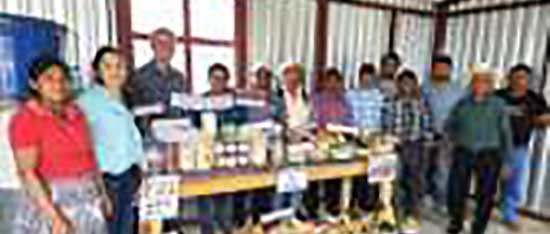
A United Kingdom project is helping strengthen the food security in Central America and enabling farmers in communities to improve livelihoods through genetic biodiversity. British Ambassador to Guatemala, Nick Whittingham, visited Huehuetenango late May within the framework of the project ‘Community-based agro-biodiversity systems for improved livelihoods and climate resilience’, according to an official release.
The project is funded through the Darwin Initiative of the Department of the Environment, Food and Rural Affairs (DEFRA) of the UK Government. Climate change affects agricultural production in Central America, making it highly vulnerable to droughts, high temperatures, increased rainfall in short periods and hurricanes, shared the release from British Embassy Guatemala City. Likewise, it also said, crops are experiencing loss of agrobiodiversity due to changes in land use and deforestation.
In response to these problems, the project will focus on developing varieties of corn and bean seeds that adapt to changing climate conditions in collaboration with local organisations and farmers. 3000 families to benefit The project will also seek to strengthen collaboration between local seed banks and national banks of other grain varieties in the region, allowing the project to benefit approximately 3,000 families, it said. The project started in July 2023 and will end in December 2025.
The project is implemented in Guatemala, Honduras, Nicaragua and Costa Rica by a consortium of organisations made up of: Association of Organizations of the Cuchumatanes (ASOCUCH), Foundation for Participatory Research with Farmers of Honduras (FIPAH), Federation of Cooperatives for Development (FECODESA), The University of Zamorano, the University of Costa Rica and the Norwegian Development Fund, the statement added.